
Income Investing – Living Off Your Savings or Pension
April 15, 2026
Why investing for income may work harder than cash savings
For many people approaching retirement – or already living off their pension or savings – the big question is:
“How do I generate reliable income without running out of money?”
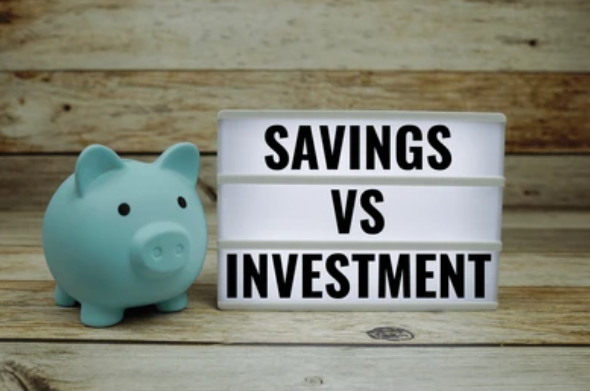
Saving vs Investing: What’s the difference?
1. Cash Savings – Certainty, but limited income
Savings accounts and cash ISAs play an important role, particularly for emergency funds and short‑term needs. However, for long‑term income:
Pros
- Capital is stable and accessible
- No exposure to stock market fluctuations
- Simple and familiar
Limitations
- Interest rates can change and may fall
- Income often struggles to keep pace with inflation
- Spending power can reduce over time
- Large cash balances may lose real value over decades
Key risk:
Even modest inflation can erode the real value of cash, meaning your income buys less each year.
2. Income Investing – Designed to pay you regularly
Income investing focuses on assets that aim to generate a regular income, such as:
- Dividend‑paying shares
- Investment funds
- Corporate bonds
- Infrastructure or property‑based investments
Potential benefits
- Regular income payments (monthly or quarterly)
- Opportunity for income to grow over time
- Potential for capital growth alongside income
- More efficient long‑term use of pension and investment allowances
Things to be aware of
- Investment values can fall as well as rise
- Income is not guaranteed
- Portfolios should be carefully structured and reviewed
Key advantage:
Well‑planned income investing aims to let clients live off the income, rather than slowly spending down the capital.
Why many retirees choose investment income over saving
1. Inflation protection for long-term income
Income from investments has the potential to increase over time, helping to offset rising living costs – something cash savings rarely do.
2. Making pensions work the way they were designed
Modern pensions (such as drawdown arrangements) are designed to be used flexibly, generating income while remaining invested. Leaving pension money in cash for too long can limit its effectiveness.
3. A more sustainable way to fund retirement
Instead of drawing heavily from capital each year, income‑focused portfolios aim to:
- Pay an ongoing income
- Preserve capital where possible
- Provide flexibility for larger expenses when needed
4. Tax efficiency matters
Investment income can often be structured to work alongside:
- Personal allowances
- Dividend allowances
- Pension tax rules
This can result in a more tax‑efficient income strategy than drawing solely from savings.
Why advice matters
Income investing is not about chasing the highest yield. Sustainable income requires:
- Diversification
- Risk management
- Ongoing reviews
- Alignment with lifestyle and goals
At KPW Investments, we help clients:
- Understand how long their money needs to last
- Build income strategies designed to evolve over time
- Avoid unnecessary risk while still taking opportunities for growth
Is income investing right for you?
If you’re:
- Relying on savings for income
- Concerned about inflation
- Drawing from your pension without a clear long‑term plan
- Unsure whether cash or investments best suit your situation
…a conversation with a financial adviser can help bring clarity.